
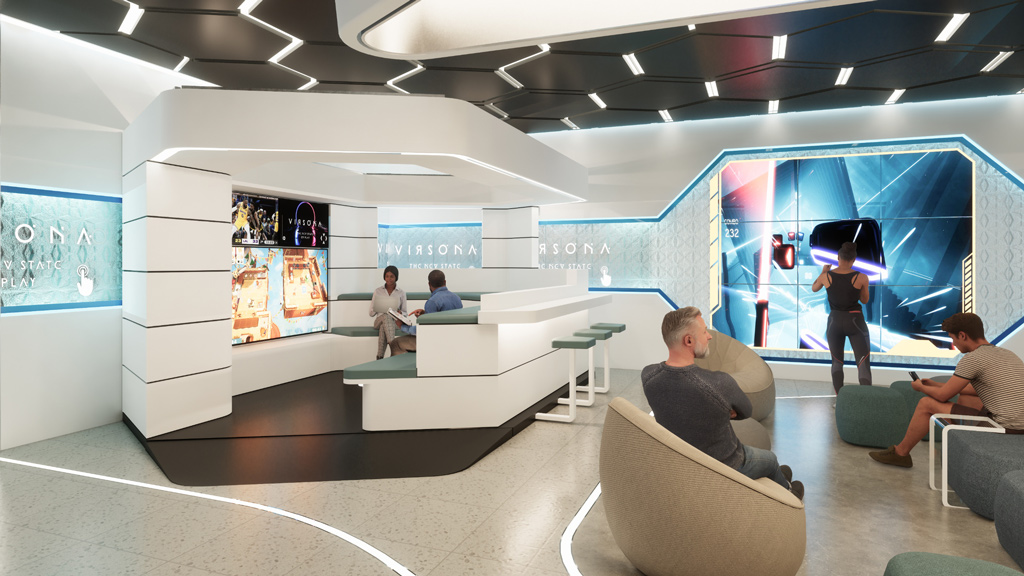
There’s a moment most creatives know well. You’re standing in a space — maybe it’s a half-finished office, a retail shop that hasn’t opened yet, or even just a blank digital canvas on your screen — and you can feel the potential humming in the air. Nothing’s quite there yet, but somehow you know it could become something remarkable.
I’ve always been fascinated by that moment. The in-between stage. The sketch before the structure. The idea before the impact.
Design, when it’s done right, isn’t just decoration. It’s direction. It shapes how people move, how they feel, how they remember a place or a brand. And honestly, I didn’t fully appreciate that until I started paying attention to the subtle ways environments influence us — the restaurants we linger in, the websites we trust instantly, the offices that somehow make Mondays feel less heavy.
That’s where thoughtful studios and creative agencies come in. The kind that treat design less like a checklist and more like a conversation.
Table of Contents
The Quiet Power of Intentional Design
You might not notice good design right away. That’s sort of the point.
When a space flows effortlessly, when lighting feels natural rather than staged, when branding elements align without screaming for attention — it creates ease. And ease builds trust.
In commercial environments especially, design carries a lot of responsibility. It’s not just about aesthetic appeal. It’s about usability, emotional resonance, and brand storytelling. A well-designed retail space can guide customers subtly from curiosity to purchase. An intelligently structured office can boost collaboration without anyone realizing why conversations suddenly feel more organic.
The design world has evolved far beyond color palettes and mood boards. Today, it intersects with psychology, sustainability, technology, and business strategy. It’s layered. Complex. Sometimes messy.
And that’s what makes it interesting.
Why Businesses Are Rethinking Design Strategy
There’s been a noticeable shift over the past decade. Businesses aren’t asking, “How can we make this look good?” as often as they’re asking, “How can this space work harder for us?”
That subtle change in question leads to entirely different outcomes.
Design is now expected to reflect brand values, support operational efficiency, and create meaningful experiences. A boutique hotel, for example, isn’t just competing on comfort anymore. It’s competing on atmosphere, Instagrammability (let’s be honest), and emotional memory.
The same goes for corporate environments. Companies want offices that reflect innovation and transparency. They want clients to walk in and immediately feel credibility.
But achieving that balance between aesthetics and strategy requires expertise. It requires designers who understand materials and mood — but also workflow and human behavior.
Where Vision Meets Execution
I once spoke with a creative director who said something that stuck with me: “Design isn’t about showing what you can do. It’s about revealing what the brand wants to become.”
That distinction matters.
A strong design firm doesn’t impose its own signature style onto every project. Instead, it listens. It studies the client’s market position, values, audience, and long-term goals. Only then does the creative process truly begin.
This is why studios like ESAC Design stand out in the conversation. Their approach isn’t just visually refined — it’s strategically grounded. They integrate architectural sensibility with brand identity, ensuring that spaces don’t just look cohesive but function cohesively.
And that integration? It’s harder than it sounds.
The Human Element in Every Blueprint
Well, here’s the thing people sometimes forget: design is deeply human.
Every line drawn on a blueprint affects real behavior. Every lighting decision influences mood. Every material choice communicates something — luxury, sustainability, warmth, innovation.
When I walk into a thoughtfully designed space, I don’t just notice the furniture. I notice how it makes me feel. Do I relax? Do I focus? Do I linger?
Design firms that prioritize this emotional dimension understand that they’re shaping experiences, not just structures.
There’s also a collaborative aspect that often goes unseen. Designers work closely with architects, engineers, brand strategists, and clients. It’s rarely linear. There are revisions, compromises, late-night problem-solving sessions. Creative friction isn’t a flaw — it’s part of the process.
And honestly, that human messiness is what prevents design from feeling sterile.
Sustainability Is No Longer Optional
Another major shift in modern design? Sustainability has moved from trend to expectation.
Clients now ask about eco-friendly materials, energy efficiency, and long-term environmental impact. It’s not just about doing what’s fashionable — it’s about doing what’s responsible.
But sustainable design doesn’t mean sacrificing style. In fact, constraints often inspire innovation. Reclaimed wood, recycled metals, adaptive reuse of spaces — these elements add character and story.
Forward-thinking design studios integrate sustainability from the conceptual stage. It’s embedded in the philosophy, not added at the end like a decorative afterthought.
The Digital and Physical Merge
We can’t ignore how technology has reshaped design either.
Physical spaces now interact with digital systems. Smart lighting adjusts based on occupancy. Interactive screens personalize experiences. Retail spaces connect seamlessly to online platforms.
This hybrid reality requires designers who think beyond walls and furniture. They must understand user journeys that begin online and continue offline — and sometimes loop back again.
When digital strategy and spatial design align, the result feels intuitive. Customers move fluidly between channels. Employees collaborate across platforms without friction.
It’s subtle. But powerful.
Design as a Long-Term Investment
Let’s talk practicality for a moment.
Some business owners hesitate to invest heavily in design. They see it as a cost center rather than a growth lever. But here’s what’s often overlooked: well-executed design pays dividends over time.
A compelling retail layout can increase dwell time and sales conversion. A thoughtfully designed workplace can improve employee satisfaction and retention. A strong brand environment enhances credibility with investors and partners.
Design, in that sense, isn’t cosmetic. It’s infrastructural.
And when companies partner with experienced firms, they’re not just buying aesthetics — they’re securing expertise that anticipates challenges before they arise.
The Subtle Art of Storytelling Through Space
I’ve come to think of design as a form of storytelling.
Every space tells a story, whether intentionally crafted or not. The question is: what narrative are you creating?
Is it one of innovation and forward-thinking energy? Of heritage and craftsmanship? Of openness and collaboration?
When designers deeply understand the brand narrative, they can translate abstract values into tangible environments. The result doesn’t just look cohesive — it feels authentic.
And authenticity matters. People can sense when something is forced.
A Personal Reflection
Over the years, I’ve visited countless commercial spaces — some forgettable, others unforgettable. The difference almost always comes down to intentionality.
The unforgettable ones were designed with care. You could feel the thought behind every element. Nothing felt accidental.
And maybe that’s what draws me to design stories in the first place. They remind me that environments aren’t static backdrops. They shape our daily experiences more than we realize.
Whether it’s a startup building its first office or a global brand refreshing its flagship store, the design decisions made today ripple outward for years.
Looking Ahead
If there’s one thing I’ve learned, it’s this: design will only become more integral to business strategy. As markets grow more competitive and audiences more discerning, the spaces brands create will speak louder than any advertisement.
Investing in thoughtful, strategic design isn’t about chasing trends. It’s about building foundations — physical and emotional — that endure.
And honestly, there’s something reassuring about that.
In a fast-moving world where everything feels temporary, well-considered design offers a kind of stability. It’s deliberate. It’s crafted. It says, “We thought about this.”
Maybe next time you step into a space that feels just right, pause for a second. Notice how it guides you. Notice how it makes you feel.
Behind that seamless experience, there’s always a story — and usually, a team of designers who understood that great design isn’t about being seen.